
Optimal Timing for Storm Restorations
Storm restorations are most effective when performed during specific periods that minimize risk and maximize accessibility. The optimal time varies based on regional climate patterns and storm seasonality, with late summer and early fall often being ideal in many areas. Planning restorations during these periods can help ensure quicker response times and better resource availability.
Late summer and early fall typically see increased storm activity, making this the prime window for storm restorations. Off-season periods may offer fewer storms but can also mean less availability of contractors and materials.
Weather conditions such as rain, wind, and humidity influence the timing of storm repairs. Dry, calm weather is preferable for safe and efficient restoration work.
In regions like Cypress, TX, storm activity peaks during hurricane season, which generally spans from June through November. Planning restorations outside of peak months can reduce delays caused by weather disruptions.
Scheduling restorations ahead of storm seasons allows for thorough preparation, ensuring readiness when storms occur. Early planning can also help secure necessary permits and resources.
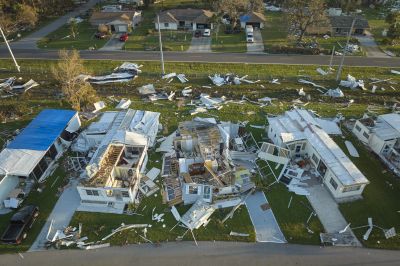
Evaluating storm damage promptly helps prioritize restoration efforts.
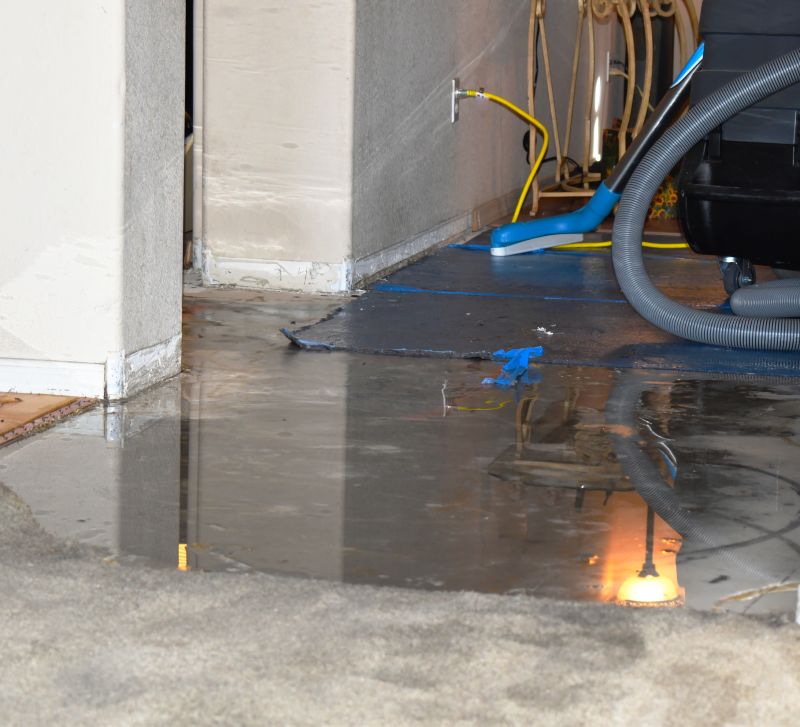
Specialized tools and machinery are used for efficient repairs.
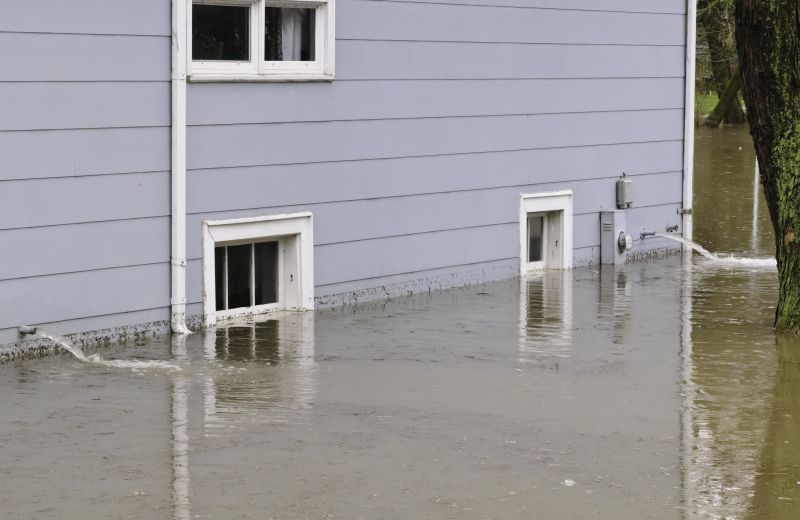
Restoration crews working to repair storm damage.
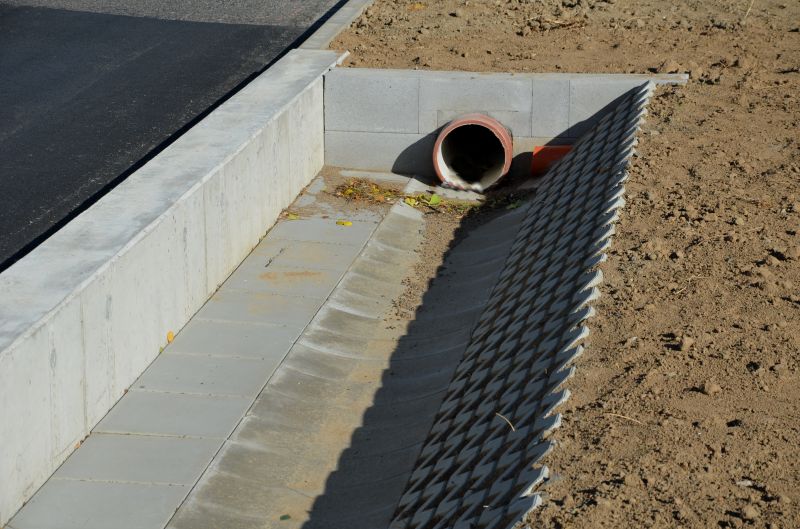
Ways to make Storm Restorations work in tight or awkward layouts.

Popular materials for Storm Restorations and why they hold up over time.

Simple add-ons that improve Storm Restorations without blowing the budget.

High-end options that actually feel worth it for Storm Restorations.
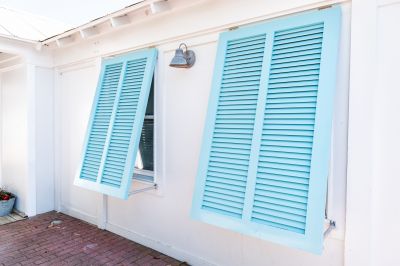
Finishes and colors that play nicely with Storm Restorations.
| Storm Season Months | Optimal Restoration Periods |
|---|---|
| June - August | Pre-storm preparation and early assessments |
| September - November | Peak storm activity, ideal for urgent restorations |
| December - May | Off-season planning and minor repairs |
Storm restorations involve restoring structures and infrastructure damaged by severe weather events. These efforts include repairing roofs, siding, windows, and other critical components to ensure safety and functionality. Proper timing enhances the effectiveness of restoration projects, reducing potential delays caused by weather or resource constraints.
Structures before storm impact.
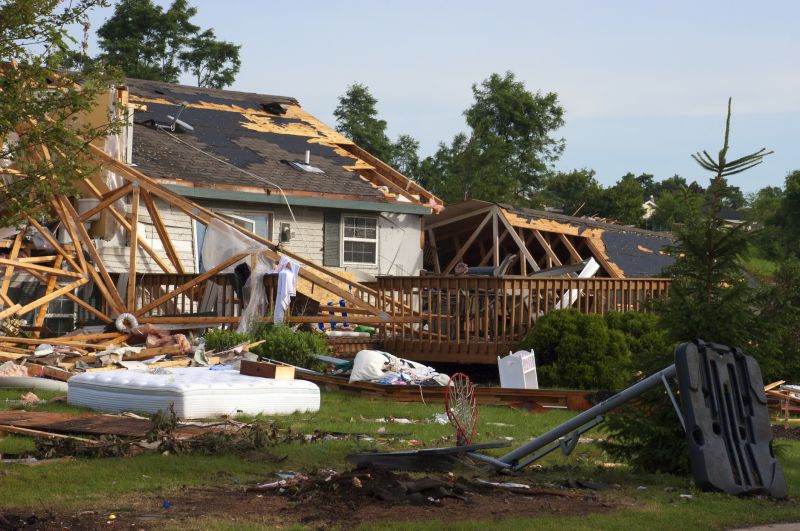
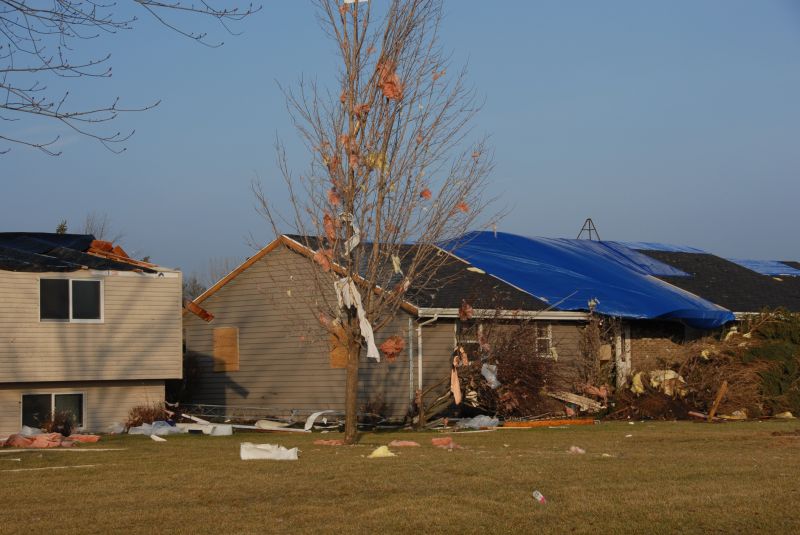
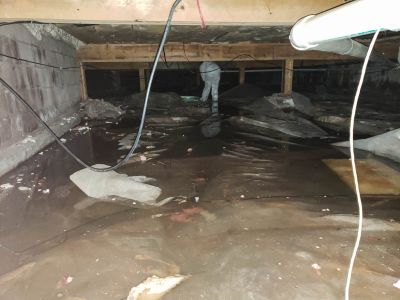
Damage caused by recent storms.
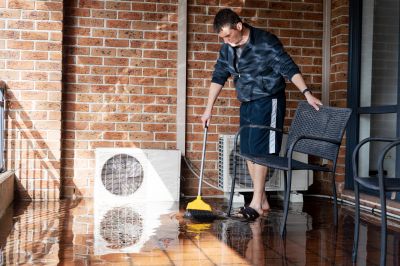
Repair work underway.

Structures restored to safety.

Little measurements that prevent headaches on Storm Restorations day.

A 60-second routine that keeps Storm Restorations looking new.
A frequent mistake in Storm Restorations and how to dodge it.

Small tweaks to make Storm Restorations safer and easier to use.
For those interested in storm restoration services, filling out the contact form provides an opportunity to discuss needs and schedule assessments. Timely planning ensures readiness for upcoming storm seasons and helps minimize potential damage.